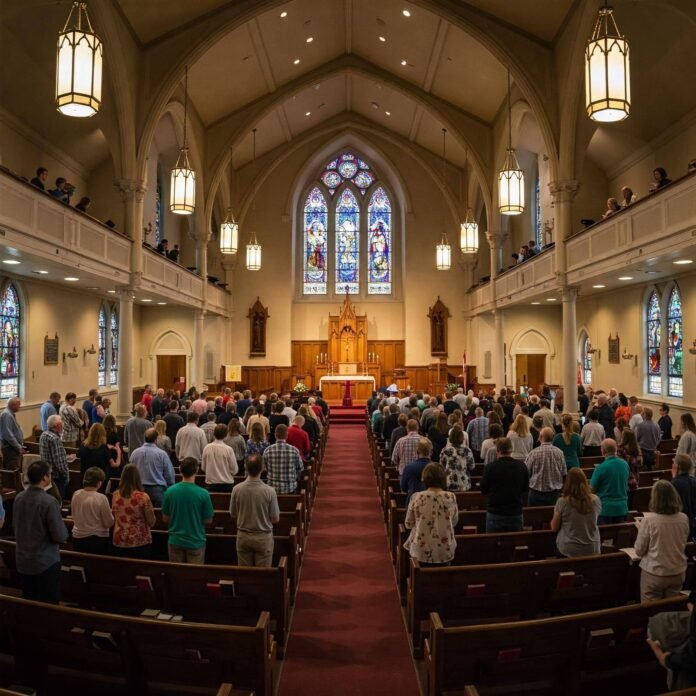
The Presbyterian Church in America (PCA) stands out as a vibrant, theologically grounded denomination in the landscape of American Christianity. But what makes the PCA unique? From its unwavering commitment to Reformed theology to its emphasis on community and mission, the PCA offers a distinctive approach to faith that resonates with millions. In this blog, we’ll dive deep into the heart of the Presbyterian Church in America, exploring its history, core beliefs, and what truly sets it apart. Whether you’re curious about the PCA or seeking a spiritual home, this guide will illuminate its unique place in modern Christianity.

What Is the Presbyterian Church in America?
The Presbyterian Church in America, founded in 1973, is a Protestant denomination rooted in the Reformed tradition. With over 370,000 members and 1,900 congregations across the United States, the PCA is one of the fastest-growing Presbyterian denominations. Unlike other mainline Presbyterian groups, the PCA emerged from a desire to uphold conservative biblical teachings and resist theological liberalism.
The PCA’s formation was a response to shifts in the broader Presbyterian landscape. Its founders sought to create a denomination that remained faithful to Scripture, emphasizing the authority of the Bible and the sovereignty of God. Today, the PCA is known for its theological rigor, vibrant worship, and commitment to spreading the gospel.
Key Fact: The PCA’s membership has grown steadily, with a 2% annual increase in recent years, reflecting its appeal to those seeking a biblically grounded faith community.

Core Beliefs of the Presbyterian Church in America
What sets the Presbyterian Church in America apart is its steadfast commitment to Reformed theology. Here are the foundational beliefs that shape the PCA’s identity:
- Authority of Scripture: The PCA holds that the Bible is the inspired, inerrant Word of God, guiding all aspects of faith and practice.
- Sovereignty of God: Central to PCA theology is the belief that God is sovereign over all creation, orchestrating history for His glory.
- Covenant Theology: The PCA emphasizes God’s covenantal relationship with His people, seen in both the Old and New Testaments.
- Presbyterian Governance: The PCA operates under a system of elders (presbyters) who oversee the church, ensuring accountability and shared leadership.
These beliefs are rooted in the Westminster Confession of Faith, a historic document that serves as the PCA’s doctrinal standard. For a deeper dive into the PCA’s theology, check out the PCA’s official doctrinal resources.
Why These Beliefs Matter
The Presbyterian Church in America’s theology isn’t just academic—it shapes how members live. For example, the emphasis on God’s sovereignty encourages trust in divine providence, even in challenging times. This resonated with Sarah, a PCA member from Atlanta, who shared, “The PCA’s focus on Scripture helped me find peace during a difficult season. It’s not just about rules; it’s about a relationship with God.”
What Sets the PCA Apart from Other Denominations?
The Presbyterian Church in America distinguishes itself through several unique characteristics. Here’s what makes it stand out:
- Conservative Theology: Unlike some mainline denominations, the PCA holds firm to traditional Christian doctrines, attracting those seeking a biblically faithful community.
- Mission-Driven Focus: The PCA is deeply committed to global and local missions, with over 600 missionaries serving worldwide through its Mission to the World program.
- Diverse Worship Styles: PCA churches range from traditional hymn-based services to contemporary worship, offering flexibility while maintaining theological unity.
- Community Engagement: PCA congregations prioritize local outreach, from food drives to youth programs, fostering strong community ties.
For instance, First Presbyterian Church in Augusta, Georgia, a PCA congregation, runs a thriving community center that serves hundreds of families annually. This blend of theology and action is a hallmark of the PCA’s identity.

How the Presbyterian Church in America Engages Its Community
Community is at the heart of the Presbyterian Church in America. PCA churches are known for fostering tight-knit congregations where members support one another. This is achieved through:
- Small Groups: Most PCA churches offer small group Bible studies, creating spaces for deep relationships and spiritual growth.
- Youth and Family Ministries: The PCA invests heavily in programs for children and teens, equipping the next generation with a strong faith foundation.
- Outreach Initiatives: From disaster relief to local charities, PCA churches actively serve their communities, reflecting Christ’s love.
To learn more about PCA community programs, visit Mission to North America, the PCA’s domestic outreach arm.
Real-World Impact
Take Redeemer Presbyterian Church in New York City, a PCA affiliate. Its Hope for New York initiative has mobilized thousands of volunteers to serve the city’s underserved populations. This commitment to “faith in action” draws many to the PCA’s vision.
Challenges and Opportunities for the Presbyterian Church in America
While the Presbyterian Church in America thrives, it faces challenges in a rapidly changing cultural landscape. Some criticisms include its conservative stance on social issues, which can alienate younger generations. However, the PCA is adapting by:
- Embracing Technology: Many PCA churches now offer online sermons and virtual small groups, expanding their reach.
- Engaging Younger Audiences: Programs like Reformed University Fellowship (RUF) connect with college students, with over 170 campus ministries nationwide.
- Promoting Diversity: The PCA is working to diversify its leadership and congregations, reflecting the broader body of Christ.
These efforts show the PCA’s commitment to staying relevant while remaining true to its roots.
Actionable Takeaways for Exploring the Presbyterian Church in America
Ready to learn more about the Presbyterian Church in America? Here are practical steps to dive deeper:
- Visit a PCA Church: Use the PCA’s church locator to find a congregation near you.
- Read the Westminster Confession: Get a copy from PCA Bookstore to understand the PCA’s theology.
- Attend a PCA Event: Check out conferences like the PCA General Assembly for a firsthand experience of the denomination’s vibrancy.
- Connect Online: Follow PCA updates on Twitter for news and resources.
Conclusion: Why the Presbyterian Church in America Stands Out
The Presbyterian Church in America is more than a denomination—it’s a community rooted in Scripture, driven by mission, and committed to transforming lives. Its blend of theological depth, diverse worship, and community engagement sets it apart in a crowded religious landscape. Whether you’re exploring faith or seeking a church home, the PCA offers a compelling vision of Christianity that’s worth discovering.