
So… what is prophecy in the Bible — and can people still prophesy today?
I’ll tell you exactly when this question hit me.
I was 19. Fresh out of high school. Sitting in a folding chair at a church conference in Indiana (why are all life-changing moments in folding chairs?). A guy with a microphone pointed at someone across the room and said, “I believe God is showing me something about your future.”
And my brain did a full system reboot.
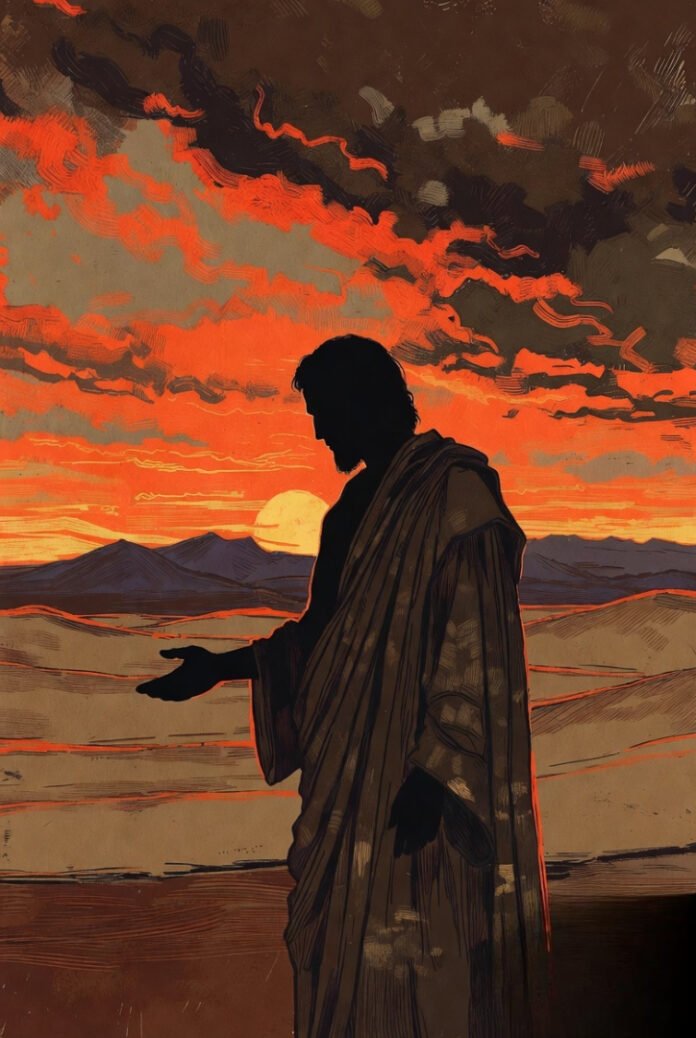
Wait. That still happens? I thought prophecy was like… Old Testament only. Beards. Sandals. Desert vibes.
I grew up in a pretty average American church. Midwest. Potlucks. Slightly off-key worship. The word “prophecy” mostly meant predicting the end times using complicated charts that looked like conspiracy theory Pinterest boards.
So when someone said prophecy was happening right now? I had questions. A lot of them.
What Is Prophecy in the Bible, Really?
Okay, let’s rewind.
When we ask what is prophecy in the Bible, most of us picture guys like Isaiah or Jeremiah standing dramatically on hills yelling at nations.
Which… yes. That happened.
But prophecy in Scripture isn’t just crystal-ball future predictions. That surprised me.
In the Old Testament, prophets were more like covenant prosecutors. They called people back to faithfulness. They confronted injustice.
A lot of “Thus says the Lord,” followed by, “Hey, maybe stop oppressing the poor?”
Revolutionary stuff.
In the Book of Amos, for example, the prophet rails against empty religious rituals while people suffer. That’s prophecy. It’s bold. It’s not just predicting who wins the Super Bowl.
Then in the New Testament, things shift slightly.
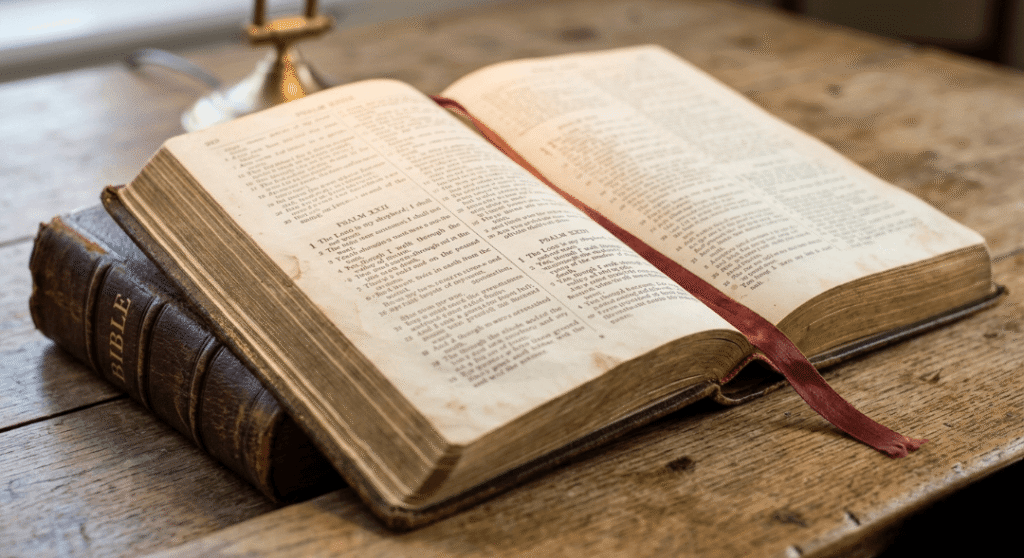
In 1 Corinthians, Paul talks about prophecy as a spiritual gift meant to strengthen, encourage, and comfort the church.
That’s… softer than I expected.
Less doom. More encouragement.
Prophecy Isn’t Always About The Future (Mind Blown)
Here’s something I wish someone had explained to me sooner:
Biblical prophecy meaning isn’t primarily about predicting events.
It’s about speaking God’s truth into a moment.
Yes, sometimes that includes foretelling. But often it’s forth-telling. (I know, that sounds like a youth pastor pun. But it works.)
When Nathan confronted King David about his sin? That wasn’t predicting next year’s harvest. That was calling out injustice. Directly. Awkwardly.
Can you imagine being that guy?
“Hey, king… quick story about a sheep.”
Bold move.
And honestly? That kind of prophecy feels less mystical and more terrifying. Because it means prophecy isn’t just about hidden knowledge. It’s about courage.
Can Christians Prophesy Today? (Here’s Where It Gets Spicy)
Now we’re stepping into the part of the conversation that has split churches, started debates, and made Thanksgiving dinners weird.
Can Christians prophesy today?
Some Christians — often called cessationists — believe certain spiritual gifts like prophecy stopped after the apostles. They’d argue that once the New Testament was completed, the need for ongoing prophecy ended.
Others — continuationists — believe the spiritual gifts, including prophecy, are still active.
And yes, those are big theological words. I learned them in college and immediately tried to use them in casual conversation. No one was impressed.
In Acts of the Apostles, there’s a scene where Peter quotes the prophet Joel: “Your sons and daughters will prophesy.”
Sons and daughters.
That’s not just elite leaders. That’s regular people.
Which makes the idea of modern prophecy in the church feel less fringe and more… plausible?

My Slightly Awkward Encounter With “Prophecy”
Okay. Story time.
A few years after that folding-chair conference, someone approached me after a service and said, “I feel like God is saying you’re going to step into something new soon.”
Which is… vague enough to be safe but specific enough to be unsettling.
I smiled politely. Nodded. Said thank you.
Then I went home and overanalyzed it for three days.
Was I moving? Quitting my job? Becoming a missionary? Starting a podcast? (Please no.)
And here’s the thing: nothing dramatic happened.
But about six months later, I did step into a new leadership role that I hadn’t planned on.
Coincidence? Maybe.
Prophecy? Possibly.
Was it helpful? Honestly… yeah.
It made me pay attention. It encouraged me.
And according to 1 Thessalonians, we’re told not to despise prophecies but to test everything.
Test. Not blindly accept. Not automatically reject.
That balance feels important.
The Danger Side (Because We Have to Talk About It)
Let’s be real. Not every “God told me” is actually God.
History — and unfortunately modern news — is full of people claiming prophecy and causing harm.
That’s why discernment matters.
In Gospel of Matthew, Jesus warns about false prophets. So the possibility of real prophecy doesn’t cancel the reality of counterfeit versions.
And I think that’s where a lot of fear comes from.
Some churches shut down the conversation entirely because they’ve seen it abused.
Others embrace it without guardrails and things get… chaotic.
I’ve been in both kinds of rooms.
One felt sterile.
The other felt unpredictable in a slightly terrifying way.
There’s probably a healthier middle ground.
So What Is Prophecy in the Bible — My Working Definition
Here’s where I’ve landed (subject to change because I’m still learning):
Prophecy in the Bible is Spirit-inspired communication meant to reveal God’s heart — sometimes about the future, often about the present — for the purpose of calling people toward faithfulness.
That’s a mouthful. I know.
But notice what it’s not:
- It’s not fortune-telling.
- It’s not vague horoscope vibes.
- It’s not spiritual flexing.
If someone’s “prophecy” makes them look powerful instead of God? Red flag.
If it manipulates or controls? Bigger red flag.
The New Testament emphasis on spiritual gifts prophecy seems rooted in building others up. Encouragement. Strengthening. Comfort.
That’s surprisingly gentle.
A Pop Culture Side Note Because My Brain Works Like That
You know that scene in The Matrix where Neo meets the Oracle?
She tells him just enough to stir something, but not enough to override his free will.
That’s kinda how I imagine healthy prophecy working.
Not dictating your life.
Not hijacking your agency.
But inviting reflection.
Also, if prophecy involved slow-motion kung fu dodging, I might attend more conferences. Just saying.
Do I Think People Can Still Prophesy Today?
Short answer? I think it’s possible.
Long answer? I think if prophecy still operates today, it probably looks less like dramatic stage declarations and more like quiet, humble impressions shared carefully.
I’ve seen moments in church where someone shared a Scripture that landed so precisely in someone else’s situation it felt supernatural.
I’ve also seen dramatic predictions that didn’t come true.
Both exist.
Which means discernment, community, and humility are non-negotiable.
Final Ramble (Because Of Course There Is One)
Back in 8th grade, I thought prophecy meant someone predicting the exact date of the apocalypse.
I also wore two different shoes to school once. Not on purpose. It was a Monday.
Turns out I misunderstood both fashion and theology.
Now, when I ask what is prophecy in the Bible, I don’t picture smoke machines or end-times charts.
I picture courage.
I picture encouragement arriving at exactly the right time.
And when I ask if people can still prophesy today?
I don’t feel the need to answer with a megaphone.
I just stay open.
Open — but thoughtful.
Curious — but grounded.
Hopeful — but not gullible.
That tension feels healthy.
And honestly? I’d rather live in curious faith than rigid certainty.
Ask me again in a few years. I might have more stories. Or at least better shoe coordination.