Okay. So. Episcopal vs. Methodist: What’s the Difference?
That’s literally what I typed into Google one Saturday night after accidentally agreeing to attend two different church services in the same weekend. Long story. It involved a potluck, a neighbor named Carol, and my inability to say no when someone offers homemade banana bread.
I grew up in the U.S. where you kinda assume everyone “just knows” what these church labels mean. Baptist. Lutheran. Catholic. Methodist. Episcopal. And you nod like, “Ah yes, obviously,” when inside you’re thinking… Wait, what though?
So if you’ve ever wondered about Episcopal vs. Methodist differences and felt slightly embarrassed asking—hi. I’m your person. Grab coffee. This might get a little rambly.
First, a Tiny Bit of Backstory (Because Context Is Everything)
I didn’t grow up super tied to one denomination. We church-hopped a little when I was a kid. Vacation Bible School here, Christmas Eve candlelight service there. One time I thought the communion wafers were breath mints. They are not.
Fast forward to adulthood: I’ve got friends in the Episcopal Church and others in the United Methodist Church. Both lovely. Both convinced their casserole recipes are superior.
But when it comes to Episcopal vs. Methodist, the differences are actually pretty interesting — and not just theological textbook stuff. It shows up in the vibe. The structure. The way people pray. Even how the building smells. (Yes, that’s a thing.)
⛪ The Episcopal Church: Bells, Books, and Bishops
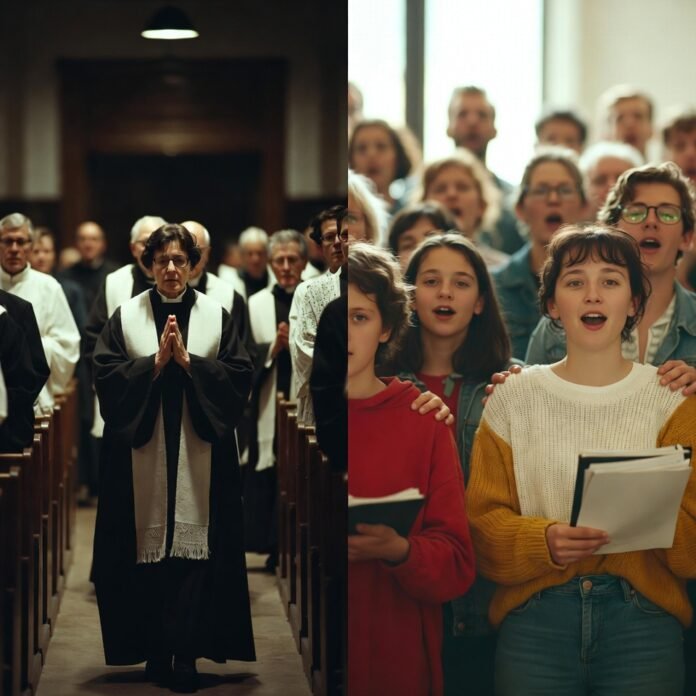
Let me tell you about my first Episcopal service.
I walked in and immediately thought: Oh wow. This feels… official.
There were robes. There was a printed booklet thicker than my college syllabus. And at one point we all stood, sat, knelt, stood again. I was doing spiritual squats.
The Episcopal Church is part of the worldwide Anglican tradition, which technically traces back to the Church of England. So yeah, there’s some history. Like, royal-history.
Episcopal Church Beliefs (The Quick-ish Version)
- Structured liturgy (set prayers and readings)
- Emphasis on sacraments (especially Eucharist)
- Leadership by bishops
- A blend of scripture, tradition, and reason
They follow something called the Book of Common Prayer. And it’s not just decorative. People actually use it. A lot.
I remember whispering to my friend, “How do you know what page we’re on?”
She whispered back, “You don’t. You just fake confidence.”
Honestly? Solid advice for most of life.
The Episcopal style feels… reflective. Thoughtful. Almost poetic. There’s a rhythm to it. You don’t just freestyle your way through worship.
✝️ The Methodist Church: Heartfelt, Hymns, and Practical Faith
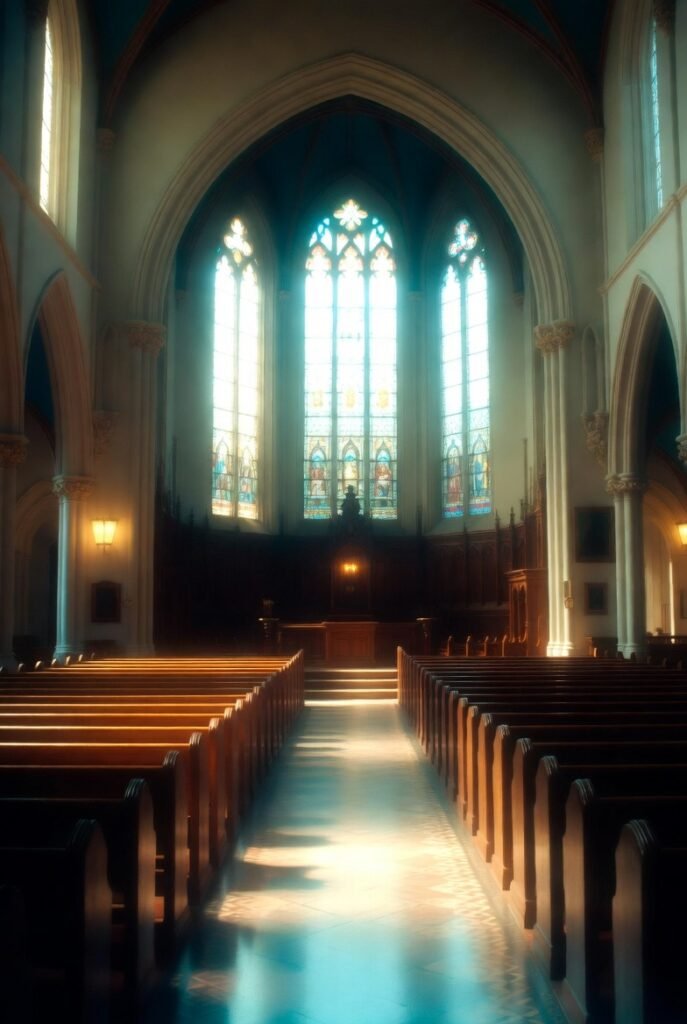
Now let’s talk about the Methodist service I attended the next morning.
Completely different energy.
Less incense. More handshakes.
The United Methodist Church traces back to the teachings of John Wesley. And if there’s one word that sticks when comparing Episcopal vs. Methodist, it’s this:
Practical.
Methodist Church beliefs tend to focus heavily on grace (God’s grace is a big deal here), personal faith, and community outreach.
And the music? A little more enthusiastic. At one point I thought someone might actually clap off-beat. It was endearing.
Methodist Church Beliefs (Simplified, Because I’m Not a Seminary Grad)
- Strong emphasis on grace
- Scripture as primary authority
- Structured but less formal worship
- Connectional leadership (pastors + conferences, not just bishops)
There’s structure, sure. But it feels more conversational. Less scripted. Like someone might say, “Can I get an amen?” and you’re expected to actually respond.
I panicked and whispered “Amen” two seconds too late.
Episcopal vs. Methodist Worship Style: The Vibe Check
If I had to describe Episcopal vs. Methodist worship style using pop culture references:
Episcopal = Downton Abbey
Methodist = Friday Night Lights
Both meaningful. Just different moods.
Episcopal services feel ancient and rooted, like you’ve stepped into something that’s been happening for centuries (because it has). Methodist services feel grounded and community-driven, like faith with rolled-up sleeves.
Neither is “better.” Just different flavors.
Kind of like coffee.
Some people want slow-pour artisan beans. Others want diner refills and conversation.
Church Leadership: Bishops vs. Conferences
This part actually surprised me when researching Episcopal vs. Methodist structures.
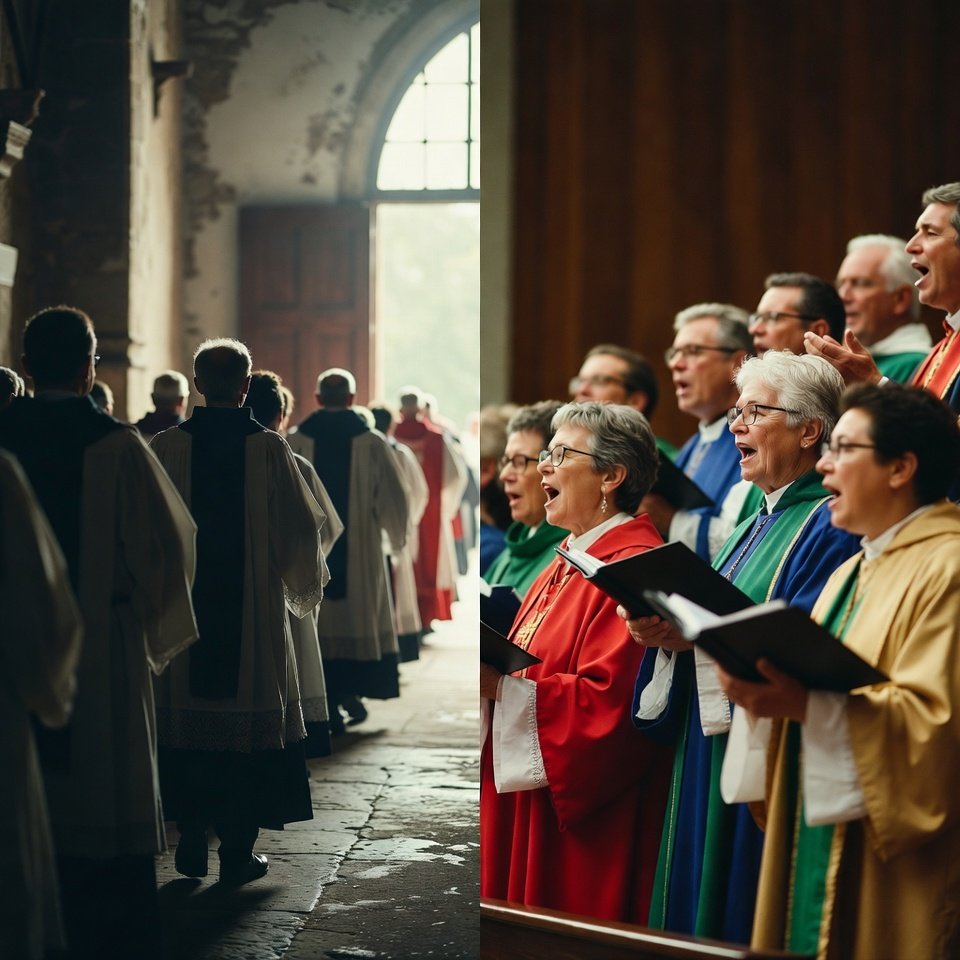
The Episcopal Church is led by bishops in a more traditional hierarchy. There’s a Presiding Bishop at the national level.
The Methodist system is “connectional,” meaning churches are linked through regional conferences. Bishops exist, but the structure feels more network-based than strictly hierarchical.
It’s kind of like:
Episcopal = Clear ladder.
Methodist = Organized web.
And honestly, unless you’re planning to become clergy, you may not notice this much on Sunday morning. But it matters behind the scenes.
Theology Differences (Without Making Your Eyes Glaze Over)
Okay. Deep breath.
Theologically, the differences between Episcopal and Methodist aren’t usually earth-shattering. Both are Protestant. Both celebrate communion and baptism.
But.
Episcopal theology leans heavily into tradition and liturgy. Methodist theology leans into grace and sanctification (which basically means growing spiritually over time).
Methodists talk a lot about personal transformation. Episcopalians talk beautifully about sacred mystery.
You ever notice how some people pray like they’re talking to a friend, and others pray like they’re reciting poetry? That’s the difference. Broadly speaking.
Social Issues & Modern Tensions (Yes, We’re Going There… Lightly)
If you’ve paid any attention to religious news in the U.S., you know denominations have been wrestling with big cultural questions.
The United Methodist Church in particular has experienced some public internal debates over LGBTQ+ inclusion and church policy. Some congregations have split or disaffiliated in recent years.
The Episcopal Church has generally taken a more progressive public stance on many social issues.
But here’s the thing: local churches vary wildly.
You can’t always predict the atmosphere just by the denomination label. I’ve met deeply progressive Methodists and very traditional Episcopalians.
It’s messy. Human. Complicated.
Which, honestly, tracks.
So… Which One Is “Right”?
This is where people want a neat answer.
I don’t have one.
And I kinda love that.
When comparing Episcopal vs. Methodist, it’s less about right vs. wrong and more about rhythm.
Do you feel drawn to ancient liturgy and structured prayer? Episcopal might feel like home.
Do you resonate with heartfelt sermons and community outreach? Methodist might click.
I’ve sat in both and felt something meaningful in each space.
One made me feel anchored.
The other made me feel activated.
Sometimes I want poetry.
Sometimes I want both.
A Random Tangent (Because That’s How My Brain Works)
You know how in high school there were different friend groups?
Band kids. Athletes. Theater nerds. Debate club.
But occasionally you’d meet someone who floated between them all?
That’s kind of how I feel about Episcopal vs. Methodist.
Different cultures. Shared core. Same ultimate goal: loving God, loving people.
It’s not a rivalry like Coke vs. Pepsi. It’s more like acoustic vs. electric guitar. Different sound, same music.
(Okay that metaphor might’ve gotten away from me but you get it.)
If You’re Actually Trying to Choose
Here’s my totally unprofessional advice:
- Visit both.
- Pay attention to how you feel — not just what you think.
- Talk to actual members.
- Ask awkward questions. It’s fine.
And if you want deeper theological breakdowns, I’d check out thoughtful blogs like Mockingbird Ministries (https://mbird.com) or even personal reflections on sites like Patheos (https://www.patheos.com) where people share lived experiences.
Sometimes the best clarity comes from regular humans telling messy stories.
Final-ish Thoughts (But Not a Sermon, Promise)
If you came here searching for a crystal-clear chart outlining Episcopal vs. Methodist differences with bulletproof theological citations… I mean, I kinda gave you some structure. But mostly I gave you my experience.
Because that’s what sticks.
I remember the incense.
I remember feeling slightly lost in both places.
And somehow… welcomed anyway.
Maybe that’s the bigger point.
Denominations matter. History matters. Structure matters.
But so does kindness. So does community. So does grace — whether you’re hearing it in a formal liturgy or a spontaneous prayer.
And if you ever accidentally double-book yourself for two different churches in one weekend?
Just go.
Worst case scenario, you get extra coffee and possibly two casseroles.
Honestly? Not a bad Sunday.