So… Exploring Orthodox Christianity wasn’t exactly on my 2026 bingo card.
I grew up in the U.S., bouncing between Baptist potlucks and the occasional non-denominational church with a worship band that felt like a soft rock concert (not complaining, some of those songs still slap). But then one random Sunday—because I apparently enjoy confusing myself—I walked into an Orthodox church.
And let me tell you. I was not prepared.
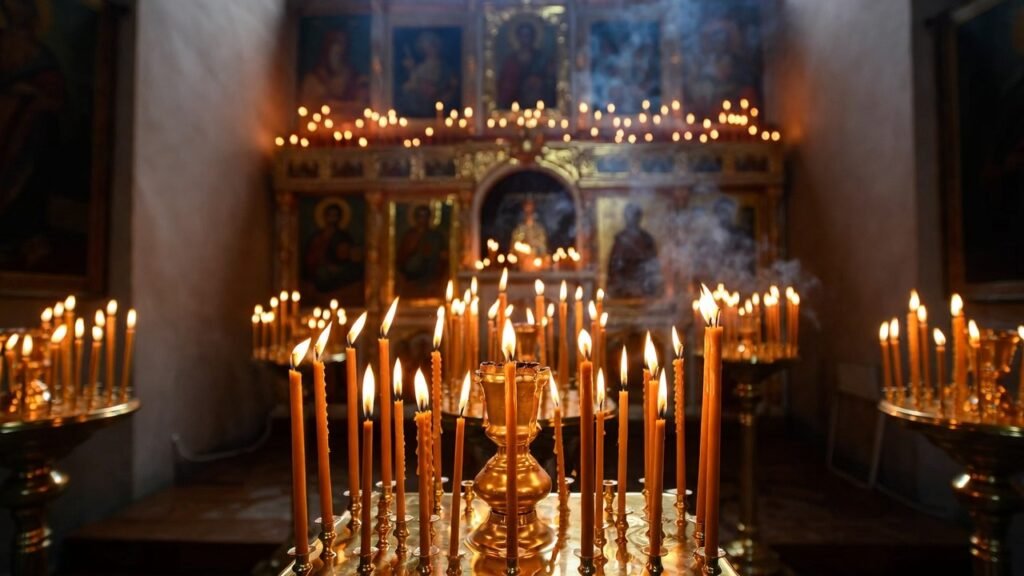
There were candles. So many candles. Gold everywhere. Icons staring at me in a way that felt less “judging” and more “we see you, friend.”
I remember whispering to the guy next to me, “How long is this service?”
He smiled.
“About two hours.”
I blinked.
Two.
Hours.
I almost checked my watch. But then something weird happened.
I didn’t want to leave.
The First Thing That Hits You: It’s Ancient. Like… Ancient Ancient.
When people talk about the Eastern Orthodox Church traditions, they’re not exaggerating. These practices trace back to the early centuries of Christianity—like, Roman Empire early. Think sandals, scrolls, emperors with questionable hairstyles.
The Orthodox Church sees itself as preserving the original faith passed down from the apostles. No dramatic reboots. No “Version 2.0.”
And honestly? In a culture that updates everything every five seconds (I can’t even keep up with phone software), there’s something comforting about that.
It feels… rooted.
Like a tree that’s been standing through every storm and is just quietly like, “Yeah, I’m still here.”
Icons: Not Decoration. Windows.
Okay, confession.
The first time I saw an icon of Jesus Christ in that gold-and-serious Orthodox style, I thought, “Why does He look so intense?”
But then someone explained that icons aren’t just art. They’re considered “windows into heaven.” They’re meant to draw you into prayer, not just decorate a wall.
And that shifted everything for me.
Instead of thinking, “Why so many paintings?” I started thinking, “Why don’t we slow down enough to look at things this deeply anymore?”
Orthodox Christian Beliefs (Without Making It Sound Like a Theology Textbook)
Alright, here’s the part where I try to explain Orthodox Christian beliefs without sounding like I swallowed a seminary glossary.
At the center is the Trinity—Father, Son, and Holy Spirit. That part’s shared with most Christian traditions.
But Orthodoxy has this strong emphasis on something called theosis.
Which basically means becoming more like God. Participating in His life. Not becoming divine in a Marvel-movie way (sorry, not turning into Thor), but growing into the likeness of Christ.
It’s less about “Are you legally saved?” and more about “Are you being healed?”
And that language—healing—hit me hard.
Because I don’t know about you, but some days I feel less like a defendant in a courtroom and more like someone who just needs a doctor.
Orthodoxy leans into that. The Church as a hospital for the soul.
That metaphor alone? I could sit with that for a while.
The Divine Liturgy Explained (Or: The Longest, Most Beautiful Service I’ve Ever Attended)
The main Orthodox worship service is called the Divine Liturgy. Most commonly, it follows the form attributed to John Chrysostom.
And yes, it’s structured. Ancient prayers. Chants. Scripture readings. Communion.
But here’s what surprised me:
Nobody seemed bored.
There’s no rush. No countdown clock. No “Okay, let’s wrap this up before brunch.”
It unfolds slowly. Deliberately.
And at some point—maybe 90 minutes in—I stopped checking the time.
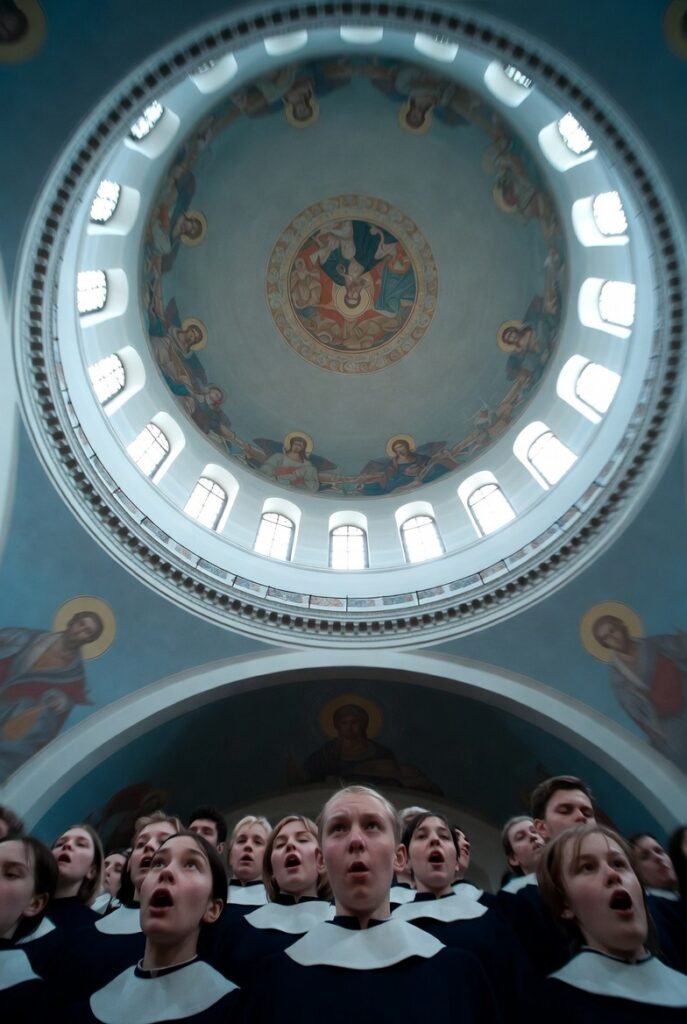
There’s chanting instead of contemporary worship songs. No instruments, typically. Just voices.
Human voices filling a dome-shaped ceiling.
It felt… weighty.
Like stepping into something much bigger than me.
(Also, side note: standing for most of the service? My calves were not prepared. Spiritual growth and leg workout in one go.)
Tradition Isn’t Stale Here. It’s Alive.
When people hear “tradition,” they sometimes think rigid. Cold. Rule-heavy.
But the Orthodox folks I met? Warm. Welcoming. Slightly amused by my wide-eyed confusion.
One woman handed me a candle and said, “Just stand with us. It’s okay if you don’t know what’s happening.”
I appreciated that more than she probably realized.
Orthodox traditions—like fasting during Lent, crossing yourself, venerating icons—aren’t random rituals. They’re meant to shape you.
To train your body and soul.
And okay, I’ll be honest: fasting sounds spiritually profound until you’re hungry at 4 p.m. and staring at a cheeseburger like it personally offended you.
But there’s something powerful about embodied faith. About not just thinking beliefs, but practicing them.
Saints. So Many Saints.
Another thing that surprised me while exploring Orthodox Christianity was the emphasis on saints.
Not in a “superhero” way (although some of their stories are kinda wild), but as examples of lived faith.
The Orthodox Church honors early martyrs, monks, mystics—people who pursued holiness in messy, real-world circumstances.
And the idea isn’t “worship them.”
It’s more like, “Look what’s possible.”
That hit me differently than I expected.
Because I tend to think holiness is for the hyper-disciplined. The super spiritual.
Orthodoxy gently pushes back on that.
Nope. Holiness is for humans.
Messy, confused, sometimes-awkward humans.
Like the one writing this.
Confession: Way More Honest Than I Expected
In Orthodoxy, confession isn’t just a private mental apology. It’s done before a priest—usually standing before an icon of Christ.
I haven’t personally done it (yet), but hearing someone describe it cracked something open in me.
They said, “It’s not about shame. It’s about being known.”
That line stayed with me.
Being known.
In a world where we curate everything—Instagram, LinkedIn, even church smiles—that feels rare.
Easter (Pascha) Is Apparently on Another Level
If you think American Easter with pastel dresses and chocolate bunnies is big, wait until you see Orthodox Pascha.
Midnight liturgy. Candles passed from person to person. The proclamation: “Christ is risen!”
I watched a video once and got chills. Literal chills.
This would be such a good GIF moment in the blog—just waves of candlelight spreading in the dark.
It feels triumphant in a way that’s hard to explain without sounding dramatic.
But sometimes dramatic is appropriate.
Is It for Everyone?
I don’t know.
Orthodox worship service isn’t casual. It’s immersive. Structured. Thick with symbolism.
If you’re used to sermons with three bullet points and a takeaway, this might feel overwhelming at first.
But if you’re craving depth?
Silence?
Mystery?
You might walk in curious and walk out changed.
Or at least thoughtful.
And honestly, in my experience, exploring Orthodox Christianity isn’t about instantly converting or agreeing with every detail.
It’s about encountering a faith that’s been lived, chanted, prayed, and practiced for 2,000 years.
That’s kind of wild when you sit with it.
Where a Couple Good Links Might Help
If you’re curious and want a thoughtful breakdown of Orthodox life, Ancient Faith Ministries (ancientfaith.com) has some surprisingly accessible resources.
And if you need a lighter take on awkward first-time church experiences? There are some hilarious personal stories floating around blogs like Stuff Christians Like (stuffchristianslike.net). Because yes, we can laugh at ourselves.
My Final, Slightly Rambling Thought
Exploring Orthodox Christianity didn’t give me neat answers.
It gave me questions.
It gave me sore feet. (Standing. So much standing.)
But it also gave me this quiet sense that faith doesn’t have to be trendy to be alive.
Sometimes it’s ancient.
Slow.
Chanted.
Wrapped in incense and gold and mystery.
And maybe—just maybe—that’s exactly what some of us need right now.
Not noise.
Not reinvention.
Just something steady.
And honestly? I didn’t expect to say this, but I’m kinda grateful I wandered in that Sunday.
Even if I had no idea what I was doing.
And even if I almost sat down when everyone else was still standing.
Twice.