Okay. So the first time I tried explaining the 10 things you didn’t know about the Roman Catholic Church to a friend, it was over cheap diner coffee in Ohio and I got way too excited.
Like, hand gestures. Loud whispering. “DID YOU KNOW—” energy.
And she just blinked at me.
“Isn’t it just… church?”
Ohhh, my friend. No.
The Roman Catholic Church is basically 2,000 years of drama, art, saints, politics, miracles, controversies, and traditions layered on top of each other like the world’s most intense historical lasagna.
I didn’t grow up Catholic, by the way. I once tried to wave it away like someone burned popcorn.
Not my finest moment.
Anyway. Let’s talk about some wild, fascinating, kinda mind-bending Roman Catholic Church facts that most people (including me, for a long time) didn’t know.
1. The Vatican Is Its Own Country. Like… Literally.
I knew about Vatican City, sure. But I didn’t fully grasp it until someone said:
“It has its own postal system.”
Excuse me?
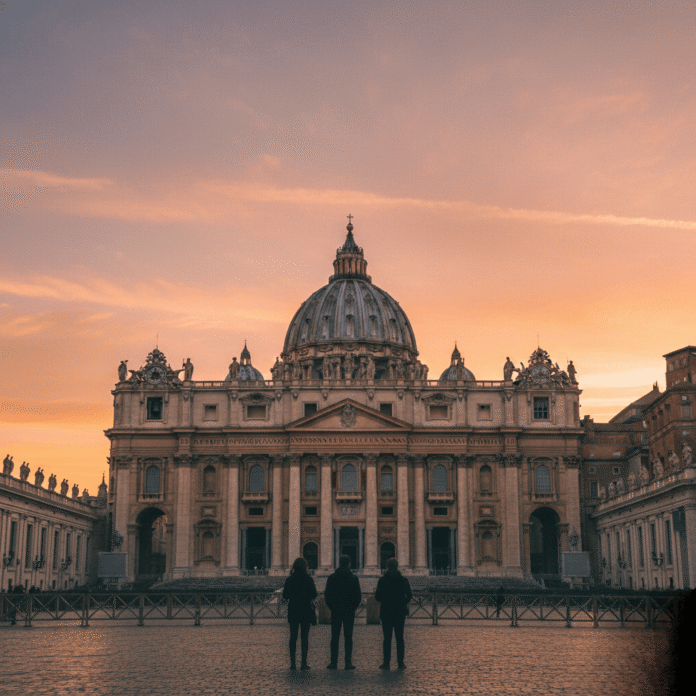
Yes. The Vatican is a sovereign city-state inside Rome. It has its own stamps, coins, radio station, even its own tiny army — the Swiss Guard with those colorful Renaissance uniforms that look like they walked straight out of a painting.
And technically, the head of state isn’t a president.
It’s the Pope.
Which brings me to—
2. The Pope Isn’t Just a Spiritual Leader. He’s a Head of State.
Right now, that’s Pope Francis. And whether you agree with him or not, the role itself is fascinating.
The Pope leads over a billion Catholics worldwide. Billion. With a B.
And he also governs Vatican City.
So imagine being responsible for global spiritual leadership and international diplomacy. Meanwhile, I get overwhelmed answering three emails.
Perspective.
Fun side note: Popes choose new names when elected. It’s like the most intense rebranding moment in history.
3. The Church Is Older Than Most Countries You Can Name
The history of the Catholic Church goes back nearly 2,000 years. Tradition traces it to Saint Peter as the first bishop of Rome.
Think about that.
The Church existed before the United States. Before most modern governments. Before pizza delivery.
And somehow it survived wars, empires rising and falling, plagues, scandals, reforms, you name it.
You ever think about institutions that last centuries? It’s kinda wild.
4. The Sistine Chapel Ceiling Took Years… and a Lot of Neck Pain
Speaking of wild.
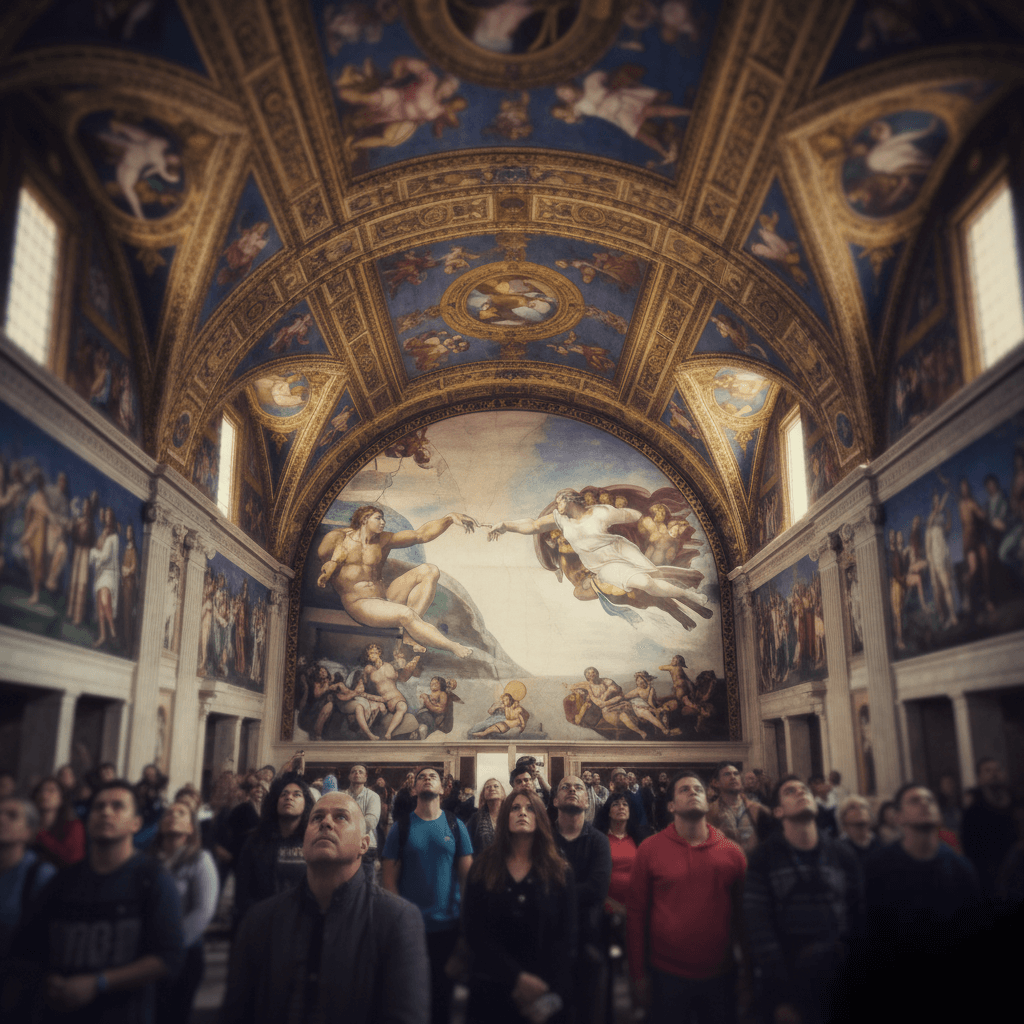
Michelangelo painted the ceiling of the Sistine Chapel between 1508 and 1512.
Four years.
On scaffolding.
Looking up.
I can’t even assemble IKEA furniture without emotional damage.
And here’s the kicker: Michelangelo considered himself a sculptor, not a painter. He didn’t even want the job at first.
Imagine accidentally creating one of the most famous artworks in history.
Casual.
5. There Are Over 10,000 Recognized Saints
When people think Catholic traditions explained, saints are usually near the top.
But here’s something I didn’t know: the Church has canonized over 10,000 saints.
Ten. Thousand.
Some were martyrs. Some were just incredibly kind humans who lived quietly faithful lives.
You’ve got Mother Teresa — modern, recognizable.
And then saints from the 200s that most of us have never heard of.
It’s like the ultimate hall of fame. But spiritual.
6. Confession Isn’t Just “Admit Stuff and Leave”
Okay, real talk.
I used to think confession was basically a spiritual complaint box.
You go in, say what you did wrong, priest says some words, done.
But confession (or Reconciliation) in the Roman Catholic Church is rooted in deep theology about repentance, forgiveness, and restoration.
Priests are bound by something called the “seal of confession.” They cannot reveal what’s said — ever. Not to police. Not to anyone.
Which is honestly kind of mind-blowing in a world where nothing feels private.
7. The Church Has a Secret Archive (And It’s Massive)
This one cracked me up.
The Vatican Apostolic Archive (formerly called the “Secret Archive”) sounds like something from a Dan Brown novel.
And yes, The Da Vinci Code definitely made people think there are ancient conspiracies hiding in there.
Reality? It’s mostly historical documents — letters, records, treaties — going back centuries.
But still.
Miles of shelving.
Handwritten letters from kings.
Documents signed by popes from the Middle Ages.
Tell me that doesn’t feel like National Treasure energy.
8. Catholic Mass Is Structured the Same Worldwide
Here’s something subtle but powerful.
If you attend Mass in Ohio, Brazil, Nigeria, or the Philippines… the structure is essentially the same.
The readings. The prayers. The Eucharist.
Different languages. Same framework.
That unity across cultures? Kinda beautiful.
I once attended a Mass while traveling and couldn’t understand a single word.
Still felt familiar.
That surprised me.
9. The Church Helped Shape the Calendar You Use
Ever wonder why Christmas is December 25?
Or why Easter moves around like it’s playing hide and seek?
The Church historically influenced how the Western calendar developed — especially with feast days and liturgical seasons.
Even the concept of marking time around Christ’s birth (B.C./A.D., now often BCE/CE) came from Christian tradition.
So yeah.
Your iPhone calendar has some Catholic fingerprints on it.
Wild.
10. It’s Not Just One “Style” of Worship
When Americans think Catholic, they often picture one kind of Mass.
But globally? It’s incredibly diverse.
There are Eastern Catholic Churches with different liturgies and traditions but still in communion with Rome.
Music styles vary. Cultural expressions vary.
It’s not a copy-paste experience worldwide.
And honestly, that makes it feel less rigid than people assume.
A Quick, Honest Note
The Roman Catholic Church isn’t just art and ancient buildings and incense clouds floating dramatically in sunlight.
It’s also had scandals. Failures. Deep wounds.
And acknowledging that matters.
But what’s fascinating — and maybe hard to explain unless you’ve observed it closely — is how something so old and complex keeps reforming, apologizing, adapting, surviving.
It’s messy.
Human.
Sacred.
Sometimes all at once.
Where to Learn More (Without Falling Into a YouTube Rabbit Hole at 2 A.M.)
If you’re curious and want balanced info, I’d suggest:
- Catholic Answers (solid explanations without drama)
- Or honestly, just browsing Vatican News for current events
And maybe avoid spiraling through conspiracy threads unless you enjoy stress.