
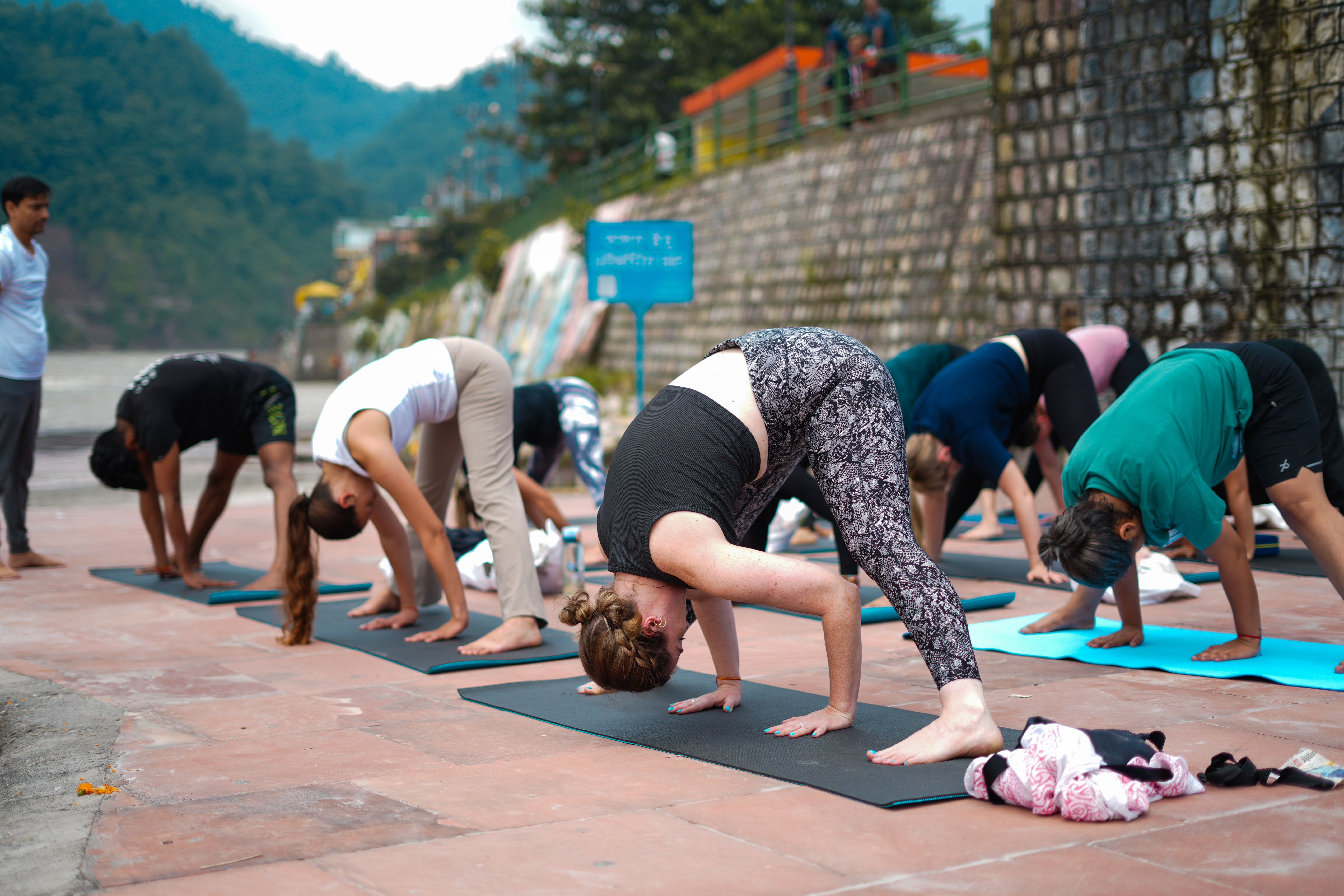
In hatha yoga literature the regulation of breath occupies more space than posture. The emphasis follows from a model in which breath is the accessible edge of something less accessible.
Breath as the available lever
These texts describe a subtle anatomy of channels and vital energy that cannot be manipulated directly. Breath is presented as the aspect of it open to deliberate control.
Posture in the same texts is largely preparatory, creating the stability and openness that make sustained breath work possible. It is treated as a condition of the practice rather than as the practice itself.
The hierarchy is stated plainly in the manuals themselves, where postural instruction is followed by breath practice described in far greater detail.
Ratio, retention and duration
The practices are specified numerically: relative lengths of inhalation, retention and exhalation, and the gradual extension of each over long training.
Retention receives particular attention, being treated as the operative element rather than an interval between the moving phases. The manuals describe the other phases largely in terms of how they prepare and release it.
The counts vary between texts and lineages, and the manuals themselves note that the figures apply to a prepared practitioner rather than a beginner.
The rationale is drawn from the subtle body
The stated aim is to influence the flow of vital energy through the channel system, clearing obstruction so that practice can proceed inward.
This is a traditional model expressed in its own terms, and the texts argue within it rather than attempting to translate it into another vocabulary.
Describing it accurately means reporting what the tradition claims for itself, while noting that these are the tradition's categories rather than external findings.
Why teachers gate the practices
Hatha manuals consistently warn that vigorous breath practice undertaken without preparation or supervision is harmful, and they prescribe diet, setting and gradual progression.
The warnings are specific enough to suggest accumulated experience behind them, and they recur across texts that otherwise differ considerably in vocabulary and emphasis.
Contemporary teachers in these lineages generally maintain the same caution, introducing retention only after long familiarity with simpler forms.
What modern classes retained
Most contemporary classes keep a simplified breath component: even breathing, coordination of movement with inhalation and exhalation, and occasional counted patterns at the beginning or end of a session.
The elaborate retention practices largely remain within specialist teaching, partly because of the cautions and partly because they need time a class does not have.
The result is an inversion of the older emphasis, with posture foregrounded and the practice the manuals treated as central reduced to a brief accompaniment.