
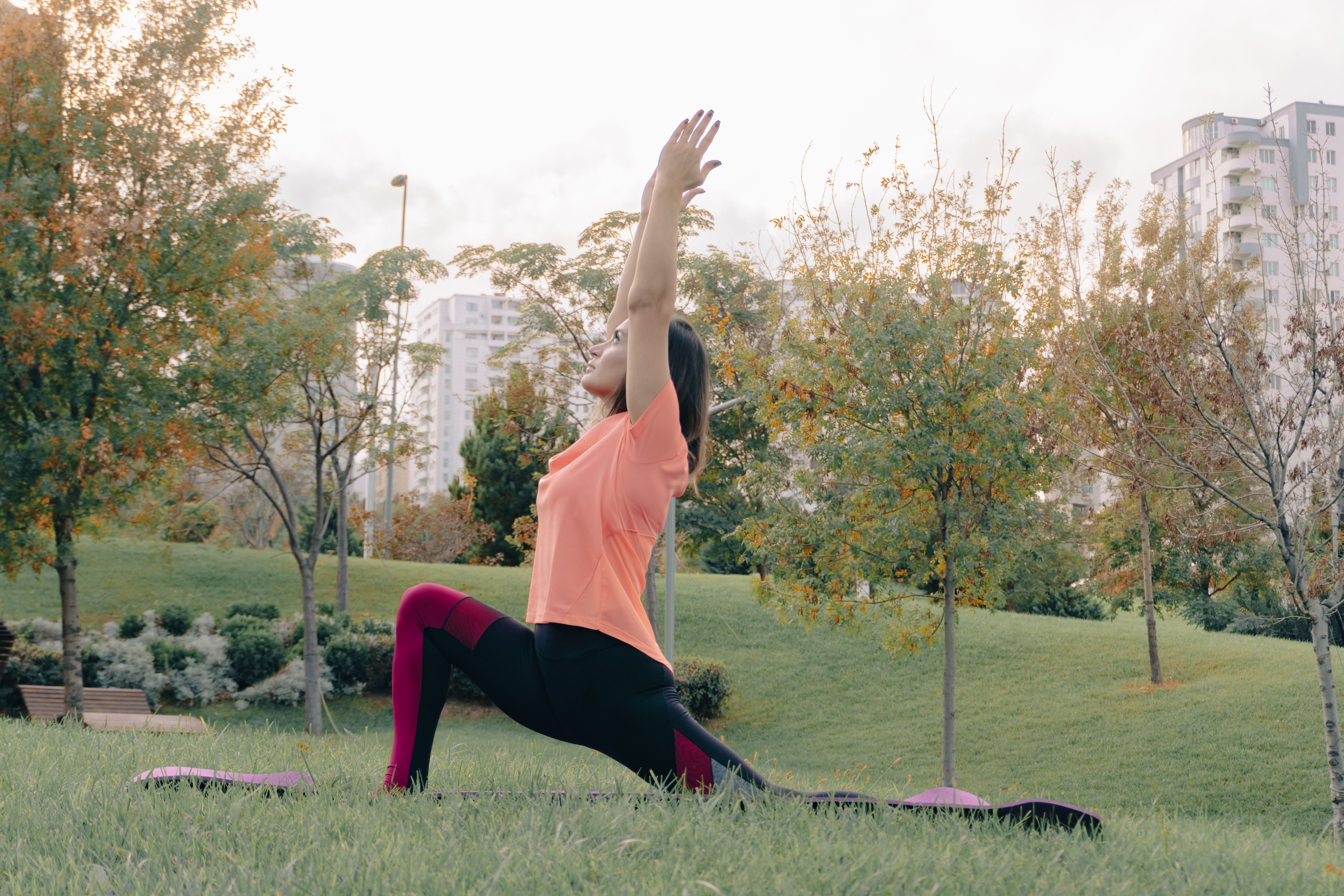
Asana now names the physical postures of a yoga class. In the older textual layers the word carries a narrower sense, and the difference explains a great deal about the tradition's shape.
The word begins as seat
In earlier usage asana refers to a seat, both the surface sat upon and the manner of sitting. The emphasis falls on how the body is arranged for stillness.
That sense fits the practices being described around it. A tradition concerned with long periods of motionless sitting needs a precise vocabulary for sitting well, and little vocabulary for anything else the body might do.
The word later broadens to cover a wide repertoire of shapes, but the earlier meaning persists in the way instructions are phrased.
The classical text says very little
The aphoristic yoga literature devotes remarkably few lines to posture, characterising it as steady and comfortable rather than listing forms.
The brevity is not an omission. In that scheme posture is preparatory, serving the stages of breath regulation and concentration that occupy most of the text.
Commentators later supplied names and details the root text lacks. Much of what is treated as classical instruction arrives through that commentarial layer.
Later manuals expand the repertoire
Medieval hatha manuals describe a larger set of postures, including seated forms, inversions and shapes held for extended periods.
Their stated purposes are typically internal: steadying the body, affecting the breath, preparing for practices described in the subtle-body vocabulary of those texts.
Even in these manuals the number of postures remains modest by modern standards, and the flowing sequences familiar from contemporary classes are not described at all. Postures appear as discrete items rather than as steps in a routine.
Why sitting mattered so much
A practitioner intending to sit for a long stretch needs a position the body can sustain without constant adjustment. Discomfort ends the session as surely as distraction.
Instructions accordingly concern the spine, the pelvis and the placement of the hands, since these determine whether stillness is available.
The criterion is functional rather than aesthetic, which is a real difference in what counts as success. A posture is judged by whether it disappears from awareness during a long sitting, not by how it looks from outside.
How the meaning broadened
Over the last century the physical repertoire grew substantially and became the public face of yoga, absorbing influences from several movement cultures.
That expansion changed what the word does. Asana came to name a category of exercise rather than a preparation for sitting.
Both meanings remain in use, which is why a modern class and an old manual can describe the same term while pointing at different things.