
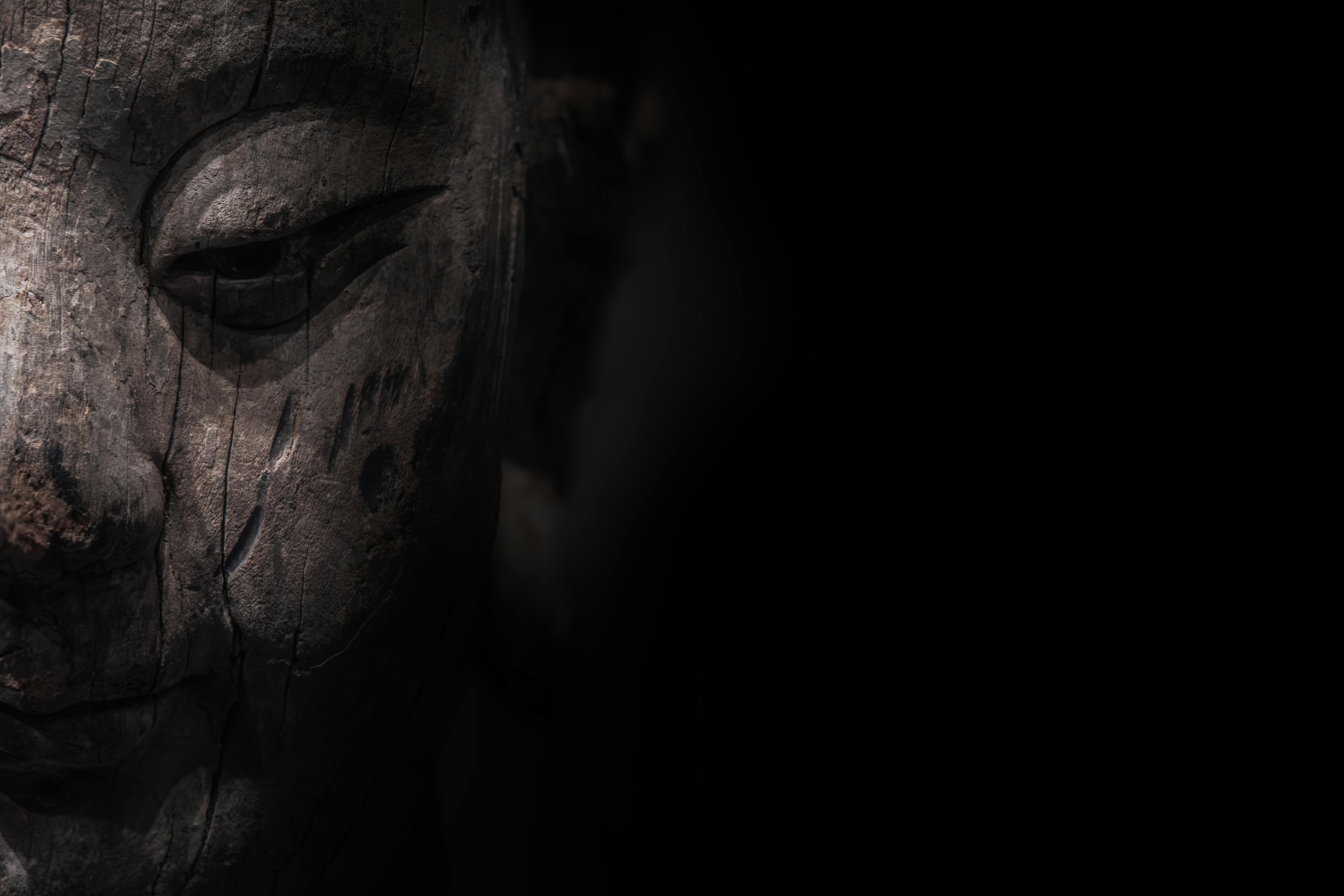
The Upanishadic texts mark a shift within an older ritual tradition. The change was not the abandonment of ritual but a redirection of the question toward the self performing it.
The earlier concern was correct performance
The ritual literature preceding these texts is largely occupied with procedure: which words, which order, which substitutions are permitted when something is unavailable.
That focus is coherent on its own terms. If efficacy depends on exactness, then the study of exactness is the serious work.
An enormous technical vocabulary developed around it, and much of the later material assumes a reader already trained in that system.
The question moves to the performer
The Upanishadic passages repeatedly turn from the rite to the one conducting it, asking what the self is and what its relation to a larger reality might be.
The move reframes what knowledge is for. Understanding becomes something that changes the knower rather than something that guarantees the correctness of an action performed by them.
Ritual is not generally rejected in these texts. It is relocated, treated as valuable but as answering a smaller question than the one now being asked.
The form is dialogue rather than instruction
Much of the material is conversational: a student questions a teacher, a king questions a sage, a wife questions a husband about what survives death.
Dialogue allows objections to appear inside the text, and several exchanges end without the questioner being fully satisfied.
The style suits a body of teaching transmitted in person, where the point being made depends on who is asking and what they already accept.
Comparison and image do the explanatory work
Abstract claims are carried by concrete images: salt dissolved in water, rivers entering the sea, the seed of a fig, a person asleep and dreaming.
Images of that kind can be held in memory precisely and unpacked at length by a teacher, which suits oral transmission better than definition would.
They also leave room for interpretation, and later schools disagreed substantially about what individual images were intended to establish.
Why the shift mattered afterwards
Later Indian philosophical schools took these texts as a common starting point while reading them in incompatible ways, building systematic positions on shared passages.
The disagreement is possible because the texts pose questions more consistently than they settle them, which left interpretive room that commentators filled.
Describing the tradition accurately therefore means describing a conversation about these texts rather than a single doctrine drawn from them.