
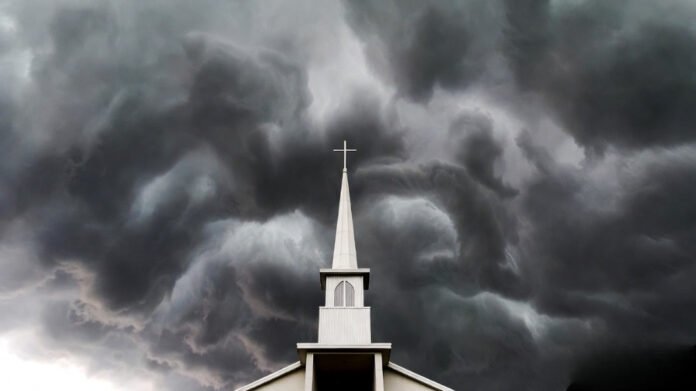
The first time I heard about ‘Sinners in the Hands of an Angry God’: What This Sermon Means in 2026, it wasn’t in church.
It was in high school English class.
And honestly? I thought it sounded like the title of a heavy metal album.
My teacher passed out copies of the sermon by Jonathan Edwards, and I remember skimming lines about spiders dangling over fire and thinking, Wow. Subtle.
If you’ve never read it, Edwards basically paints this picture of humanity hanging over the flames of hell by a thin thread, held up only by God’s mercy.
Cheery stuff.
Back then, I categorized it as “scare tactics from the 1700s” and moved on with my teenage life — which mostly revolved around awkward crushes and trying not to trip in the hallway.
But here we are in 2026.
And weirdly?
It feels relevant again.
A Quick Backstory (Without Turning This into a History Lecture)
The sermon was preached in 1741 during what’s known as the Great Awakening — a massive spiritual revival in colonial America.
People reportedly wept. Clutched pews. Felt deeply convicted.
Now, we live in an era of TikTok theology and 30-second attention spans. Emotional intensity isn’t rare — but sustained spiritual seriousness kind of is.
So why would a 1741 sermon about divine wrath matter in 2026?
That’s what I started asking myself.
Let’s Address the Obvious: The Title Is… Intense
“Sinners.”
“Angry.”
“Hands.”
It doesn’t exactly scream “Come as you are.”
And if you grew up in certain church environments, the phrase “angry God” might trigger some stuff.
I’ll be honest — for a while, I avoided anything connected to fire-and-brimstone preaching. It felt manipulative. Fear-driven.
But here’s the thing I missed:
Edwards wasn’t trying to create anxiety for fun. He was trying to wake people up.
And sometimes… we need waking up.

The Core Message of ‘Sinners in the Hands of an Angry God’
If you strip away the 18th-century language and intense imagery, here’s what the sermon is saying:
- Humanity is more fragile than we think.
- We are more sinful than we admit.
- God is more just than we prefer.
- God is more merciful than we deserve.
That’s it.
Underneath the spider metaphors and fiery descriptions is a simple truth: we are not self-sustaining, morally neutral beings.
That doesn’t play well on social media, I know.
In 2026, the dominant message is “You’re fine as you are.”
Edwards would’ve said, respectfully, “No, you’re not.”
And honestly? That stings.
Why This Sermon Feels Awkward in 2026
We don’t love the concept of divine anger.
We’re okay with “God is love.”
We’re okay with “God wants you happy.”
But “God is angry at sin”?
That’s uncomfortable.
But here’s something I’ve been wrestling with: if God isn’t angry at evil, injustice, cruelty — is He really good?
Think about it.
When we see abuse, corruption, violence — we want outrage. We want justice.
If God shrugs at evil, that’s not loving. That’s indifferent.
Edwards’ sermon forces us to confront that tension.
And in a world that feels morally chaotic, maybe that’s not such a bad thing.
A Personal Confession (Because Why Not)
There was a season a few years ago where I drifted spiritually.
Not dramatically. No rebellion montage. Just slow indifference.
I stopped taking sin seriously. Started rationalizing stuff. Shrugging things off.
Nothing catastrophic happened.
Which almost made it worse.
Because I got comfortable.
And that’s kind of what ‘Sinners in the Hands of an Angry God’ disrupts — spiritual complacency.
It’s like a spiritual alarm clock. Loud. Jarring. Slightly offensive.
But sometimes you need that.
The Fear Factor — Was It Manipulation?
Okay, let’s talk about the elephant in the room.
Was Edwards just scaring people into faith?
Some critics think so. And I get that reaction.
But when I actually re-read the sermon as an adult (with slightly more life experience and slightly fewer hallway crush distractions), I noticed something.
He doesn’t end with despair.
He ends with an invitation.
He talks about the open door of mercy.
That’s key.
Because fear without hope is cruelty.
But warning with a path to safety? That’s love.
If my kid runs toward traffic and I yell sharply, that’s not manipulation. That’s urgency.

The Relevance of ‘Sinners in the Hands of an Angry God’ Today
So what does this sermon mean in 2026?
For me, it means this:
We live in a culture that minimizes sin and maximizes self-esteem.
Edwards flips that.
He says: you are in danger — but there is mercy available.
And honestly, that message feels weirdly balanced.
Because I’ve seen what happens when we remove moral accountability entirely.
We get:
- Excused selfishness
- Justified bitterness
- Celebrated pride
And none of that leads to flourishing.
It leads to chaos.
Here’s Where It Gets Personal Again
If I’m honest, I don’t like thinking about judgment.
I don’t wake up craving sermons about wrath.
But I also don’t want a neutered version of God.
If God is only love but never just, then evil wins.
And that’s not comforting.
Edwards’ sermon reminds me that grace is only amazing if judgment is real.
Otherwise, what are we being saved from?
That’s not a trendy question. But it’s a necessary one.
A Slightly Awkward Modern Comparison
You know how your phone gives you that weekly screen-time report?
And you open it like, “This can’t be accurate.”
And then it is.
And you feel exposed?
Reading ‘Sinners in the Hands of an Angry God’ feels like that.
It’s not fun.
But it’s revealing.
And revelation is uncomfortable before it’s helpful.
What This Sermon Doesn’t Mean
Let me be clear.
This sermon doesn’t mean:
- God enjoys punishing people.
- Christianity is about fear management.
- We should preach anger without compassion.
If that’s all someone takes from it, they’ve missed the point.
Edwards’ goal wasn’t to leave people dangling in despair.
It was to drive them toward mercy.
And that’s a huge difference.
Why I Think It Still Matters
In 2026, we’re obsessed with comfort.
Comfortable opinions. Comfortable spirituality. Comfortable narratives.
But growth rarely happens in comfort.
Sometimes it happens when we’re confronted.
When we’re reminded that we’re not self-sufficient. Not morally flawless. Not in control.
That’s what this sermon does.
It confronts.
And confrontation isn’t cruelty — not when it’s rooted in truth and mercy.
If Jonathan Edwards Preached Today…
Would it go viral?
Probably.
Would it get canceled?
Also probably.
But I think the core message would still land for people who are tired of surface-level spirituality.
Because deep down, most of us know something’s off.
We see brokenness — in ourselves, in society.
And we don’t just need affirmation.
We need redemption.
So… What Does ‘Sinners in the Hands of an Angry God’ Mean in 2026?
It means:
God takes sin seriously.
Human life is fragile.
Judgment is real.
Mercy is available.
It’s not cozy.
It’s not Instagrammable.
But it’s honest.
And honestly? I’d rather wrestle with a serious God than invent a harmless one.
Because a harmless God can’t save anyone.
And if there’s one thing 2026 has made clear — with all its chaos, division, and moral confusion — it’s that we don’t need a softer story.
We need a truer one.
Even if it makes us shift in our seats a little.
Maybe especially then.